Introduction: The Art of Ceremony
When it comes to life's significant moments, whether they be joyous celebrations or solemn farewells, the way we plan our ceremonies speaks volumes about our values, relationships, and memories. Balancing formality and familiarity in ceremonial planning is essential for creating an atmosphere that resonates with everyone involved. This article will take you through various aspects of ceremonial planning while exploring how to find that perfect balance between being formal and maintaining a sense of warmth and personal connection.
What is Ceremonial Planning?
Ceremonial planning refers to the intricate process of organizing events that mark important life milestones. These can range from weddings and birthdays to funerals and memorial services. Each event has its unique tone, theme, and purpose, requiring thoughtful consideration regarding the level of formality involved.
Why is Balance Important in Ceremonial Planning?
Finding equilibrium between formality and familiarity ensures that the ceremony reflects the personality of the individual being honored or celebrated. Too much formality can create distance among guests, while excessive informality may detract from the significance of the occasion. Striking this balance helps create lasting memories for everyone involved.
Understanding Different Types of Ceremonies
Weddings: A Celebration of Love
Weddings are perhaps one of the most intricate forms of ceremonial planning. They often call for a blend of traditional elements with personal touches that reflect the couple's story. From choosing a venue to selecting music, every detail plays a role in setting the right tone.
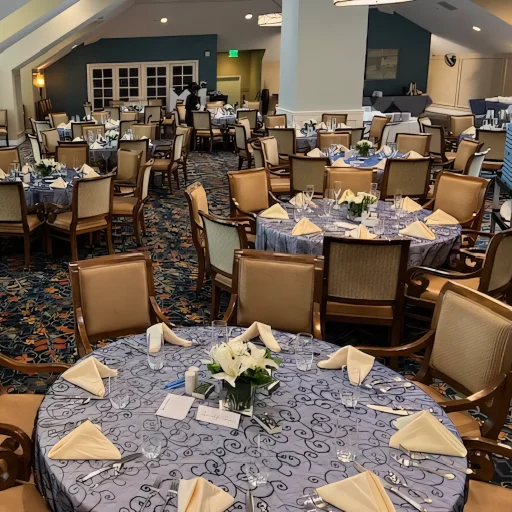
- Choosing a Venue: The location sets the stage for your ceremony. Food Choices: Consider dietary restrictions while keeping it personal. Music Selection: The right tunes can evoke emotions that resonate with your guests.
Funerals: Honoring Lives Lived
Funerals are deeply emotional events that require sensitive handling. Balancing formality with familiarity becomes crucial here as families aim to celebrate their loved ones' lives while also providing comfort to grieving guests.
- Personal Tributes: Sharing stories fosters connection. Dress Code: Should reflect respect while allowing comfort. Service Options: Traditional vs. modern approaches—what fits best?
Key Elements in Balancing Formality and Familiarity
Tone Setting
The tone you set at your event impacts how guests interact with one another. celebration of life A formal tone may Check out the post right here encourage more reserved behavior, whereas a familiar tone invites openness and sharing.
Opening Remarks: Consider how you introduce speakers or activities. Program Flow: A well-organized agenda can guide guest interactions.Invitations: First Impressions Matter
Your invitations lay the groundwork for expectations surrounding your event's formality.
- Language Choice: Formal wording signals a traditional event; casual language invites ease. Design Elements: Visual aesthetics should complement your theme while reflecting personality.
The Role of Venue in Ceremonial Planning
Selecting the Right Location
The venue plays a pivotal role in shaping both formality and familiarity within an event. A grand hall may lend itself to elegance, while a cozy backyard might promote intimacy.
Factors to Consider When Choosing a Venue:
Capacity Requirements Accessibility AmbianceThe Importance of Food in Ceremony
Catering Options That Reflect Your Event's Tone
Food isn't just sustenance; it brings people together! Selecting dishes that resonate with both your theme and guests' preferences can enhance their experience dramatically.
- Formal Banquet Style vs. Buffet Options Cultural Influences on Menu Design
Music as an Emotional Connector
Curating Playlists That Speak Volumes
Music carries emotional weight; it can uplift spirits during celebrations or provide solace during somber occasions.
Live Bands vs. Recorded Music Meaningful Songs That Tell Your StoryPersonal Touches That Make All The Difference
Incorporating personal elements into your ceremony strengthens connections among attendees:
- Speeches from friends and family Memory tables showcasing photographs Interactive activities like sharing stories or writing notes
Tips for Effective Communication during Ceremonies
Clear communication ensures everyone understands their roles and responsibilities throughout your event:
Use announcements strategically. Provide written materials when necessary (programs, agendas).FAQs About Balancing Formality and Familiarity in Ceremonial Planning
What’s the best way to gauge how formal an event should be?
Assess your audience’s expectations based on cultural norms, personal preferences, and the nature of your occasion.
How do I incorporate personal stories into formal ceremonies?
Allow specific moments within your program for tributes or storytelling—this bridges formality with familiarity beautifully!
Can casual attire still fit into a formal ceremony?
Yes! You can specify dress codes like “smart casual” on invitations to encourage comfort without compromising elegance.
How do I choose music that's appropriate for various age groups?
Create playlists featuring diverse genres catering to different generations while ensuring they align with your theme!
What if my venue doesn’t match my desired atmosphere?
Decorate thoughtfully! Use elements like lighting, floral arrangements, or even seating layouts to shift ambiance towards what you envision.
li28/ol5/hr1hr1/##
This comprehensive guide aims not only to inspire but also provide practical tools as you embark on this meaningful journey through life's events—whether they’re joyous celebrations or respectful farewells! So roll up those sleeves; let’s make some beautiful memories together!